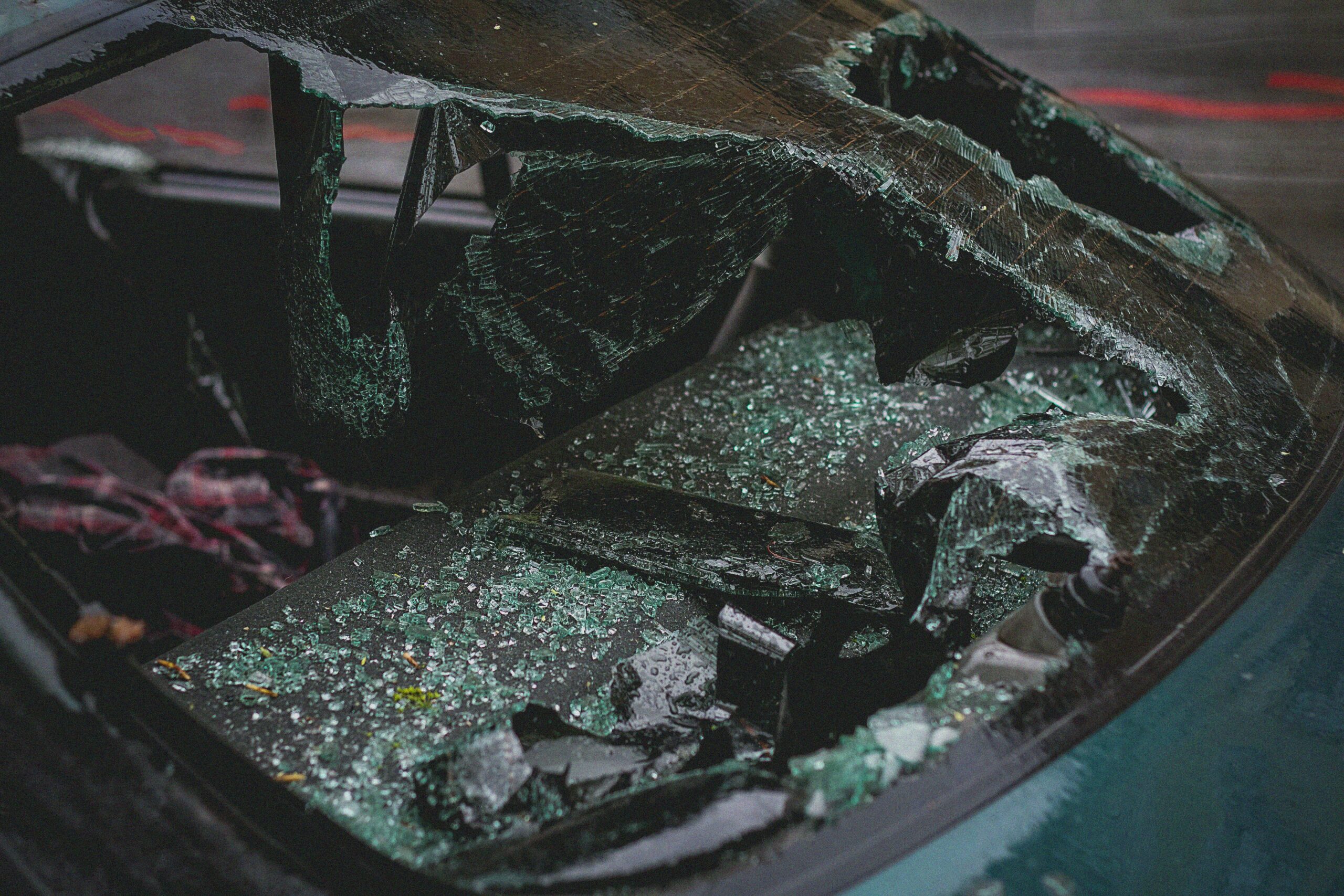




A car accident is a traumatic experience that can leave you with a mounting pile of repair bills and no way to get to work. You likely worry that a single mistake on the road or a patch of black ice could result in a total loss of your vehicle, forcing you to pay thousands of dollars out of pocket to replace it. This financial vulnerability is especially stressful if you are still making monthly car payments on a vehicle that is currently sitting in a salvage yard.
This article provides a comprehensive collision coverage explained experience to help you safeguard your investment. We will examine exactly what this insurance covers, how it interacts with other policy types, and the specific circumstances in which it becomes your most valuable asset. By the end of this guide, you will have the data needed to decide if your current vehicle justifies the cost of collision insurance or if you have reached the point where dropping the coverage is the smarter financial move.
Key Takeaways
- Vehicle-Focused Protection: Collision coverage pays to repair or replace your own vehicle after a crash, regardless of who was at fault for the accident.
- Lender Mandates: If you lease or finance your car, your lender will almost certainly require you to carry this coverage until the loan is paid in full.
- Payout Limits: The maximum payout is limited to the Actual Cash Value (ACV) of your vehicle minus your chosen deductible.
- Strategic Deductibles: Choosing a higher collision deductible explained in this guide can significantly lower your monthly premiums but increases your out-of-pocket risk.
What does collision insurance cover for your vehicle?
Collision coverage is an optional auto insurance component that pays for damage to your vehicle resulting from an impact with another car or a stationary object. This is the primary form of protection for your car when you are the driver at fault in an accident or when you are involved in a single-vehicle mishap, such as sliding into a guardrail or hitting a telephone pole. Unlike liability insurance, which pays for the other person’s injuries or property, this coverage is strictly dedicated to fixing your own wheels.
In 2026, the definition of an accident has expanded to include various modern driving scenarios. You will find that your policy typically covers a wide range of impacts, provided they are accidental and involve a physical collision. It is important to remember that this coverage follows the car, not the driver; if you lend your car to a friend and they hit a tree, your collision coverage is what will pay for the repairs.
Common Coverage Scenarios
The versatility of this insurance makes it a cornerstone of a “full coverage” policy. Most insurers categorize the following events as covered under the collision portion of your plan:
- Multi-Vehicle Accidents: A crash with another car on the road, even if the other driver has no insurance.
- Rollover Accidents: If your vehicle flips over due to a sharp turn or loss of control.
- Stationary Object Impact: Hitting a fence, a mailbox, or a building.
- Pothole Damage: Significant suspension or wheel damage caused by hitting a severe pothole (varies by insurer).
| Scenario | Does Collision Pay? | Alternative Coverage |
| You rear-end another car | Yes | None for your car |
| You hit a deer | No | Comprehensive |
| Your car is stolen | No | Comprehensive |
| You hit a parked car | Yes | None for your car |
What is the difference between collision vs comprehensive insurance?
Understanding collision vs comprehensive insurance is essential because these two coverages work together to provide what most people call “full coverage.” While collision handles “impact” events involving other vehicles or objects, comprehensive insurance covers “non-collision” events that are usually outside of your control. For example, if a heavy branch falls on your car during a storm, that is a comprehensive claim; if you drive your car into that same fallen branch while it is on the road, that would likely be a collision claim.
In 2026, many drivers choose to carry both to ensure they are protected against the full spectrum of road risks. However, if you are looking to save money, you might consider the specific environment where you live. If you live in a crowded city with high traffic, collision is vital; if you live in a rural area with frequent hail storms and wildlife crossings, comprehensive might be the priority. You should note that both coverages usually require you to pay a deductible before the insurance company pays the remainder of the bill.
Collision vs. Comprehensive: A Detailed Comparison
| Feature | Collision Insurance | Comprehensive Insurance |
| Primary Trigger | Physical impact with an object/car | Acts of God, theft, vandalism |
| Typical Example | Hitting a street sign | Hail damage or a cracked windshield |
| At-Fault Status | Often used when you are at fault | Generally considered no-fault |
| Lender Requirement | Mandatory for loans/leases | Mandatory for loans/leases |
| Deductible | Usually $500 or $1,000 | Often lower ($100 – $500) |
Overlapping Risks
There are rare cases where the two coverages can feel similar. If your car is damaged by a hit-and-run driver while it is parked on the street, this is technically a car accident collision coverage event. Even though you weren’t driving, the damage was caused by a collision with another vehicle. In most states, you would file this under your collision policy and pay that specific deductible.
How much does collision insurance cost in 2026?
The collision insurance cost is a significant portion of your total auto insurance bill, often accounting for 30% to 50% of the premium. Insurers calculate this cost based on the likelihood that you will be in an accident and how much it will cost to fix your specific car. In 2026, the rising cost of high-tech vehicle parts, such as LIDAR sensors and LED headlight assemblies, has pushed collision premiums higher across the United States. A fender bender that cost $800 to fix a decade ago can now easily exceed $3,500 due to the sensors embedded in modern bumpers.
Your personal driving record is the most influential factor in your rate. If you have a history of at-fault accidents, insurers view you as a higher risk and will charge a premium for collision coverage. Conversely, your vehicle’s safety ratings and repair costs also play a role; a sturdy SUV might have a lower collision rate than a fragile luxury sports car that requires specialized labor and imported parts for every repair.
Factors Influencing Collision Premiums
- Vehicle Value: A more expensive car is more expensive to replace if totaled.
- Driving History: Clean records earn the lowest rates.
- Location: Urban areas with high accident rates see higher premiums.
- Annual Mileage: The more you drive, the higher the statistical chance of a collision.
- Credit Score: In many states, a higher credit score correlates with lower insurance rates.
Average Premium Ranges by Vehicle Type
| Vehicle Category | Estimated Annual Collision Premium |
| Economy Sedan | $400 – $700 |
| Standard SUV | $550 – $900 |
| Electric Vehicle (EV) | $750 – $1,200 |
| Luxury / Sports Car | $1,100 – $2,000+ |
When does collision insurance pay out after an accident?
Knowing when collision insurance pays is key to managing your expectations during the claims process. This coverage is triggered the moment your car sustains damage from a collision and you file a claim with your provider. The insurance company will send an adjuster to inspect the damage and provide an estimate for repairs. If the cost to fix the car is less than a certain percentage of its value (usually 70% to 80%), the insurer will pay the repair shop directly, minus your deductible.
If the damage is so severe that repairs would cost more than the car is worth, the insurer will declare the vehicle a “total loss.” In this scenario, the car accident collision coverage pays you the Actual Cash Value (ACV) of the car. It is vital to understand that ACV is not what you paid for the car, nor is it the cost of a brand-new model; it is the fair market value of your car in its used condition immediately before the accident.
The Payout Process
- File the Claim: You report the accident via your insurer’s app or phone line.
- Assessment: An adjuster reviews the damage and determines if the car is repairable.
- Deductible Application: If the repairs cost $3,000 and your deductible is $500, the insurer pays $2,500.
- Total Loss Settlement: If the car is totaled, you receive a check for the car’s market value minus the deductible.
Gap Insurance Consideration
If you owe $25,000 on your car loan but the ACV is only $20,000, your collision coverage will only pay the $20,000. This leaves you with a $5,000 “gap” that you must pay to your lender. For this reason, many drivers in 2026 bundle collision coverage with “Gap Insurance” to ensure their loan is fully settled in a total loss event.
How does the collision deductible explained affect your premium?
Your collision deductible explained simply is the amount of money you agree to pay out of pocket before your insurance coverage kicks in. For example, if you have a $1,000 deductible and your car suffers $4,000 in damage, you pay the first $1,000 and the insurance company pays the remaining $3,000. Choosing your deductible is a balancing act between your monthly budget and your emergency savings. A higher deductible results in a lower monthly premium because you are assuming more of the financial risk yourself.
In 2026, many insurers offer “vanishing deductibles” as a reward for safe driving. For every year you go without an accident, the company might reduce your deductible by $100. When selecting your level, you should ask yourself if you could realistically afford to pay that amount tomorrow if an accident occurred. If a $1,000 bill would cause a financial crisis, you are better off paying a slightly higher monthly premium for a $250 or $500 deductible.
Deductible vs. Premium Savings
| Deductible Amount | Impact on Monthly Premium | Out-of-Pocket Risk |
| $250 | Highest Premium | Low |
| $500 | Standard Premium | Moderate |
| $1,000 | 15% – 30% Savings | High |
| $2,000 | 40%+ Savings | Very High |
Managing Small Claims
You should also consider that if the damage to your car is only slightly higher than your deductible, it might not be worth filing a claim. If you have a $500 deductible and the repair estimate is $700, filing a claim only nets you $200 but could cause your insurance rates to increase for the next three years. Many experts suggest paying for minor “parking lot” dings out of pocket to keep your insurance record clean.
When should you consider dropping collision insurance?
The decision regarding dropping collision insurance is a math problem involving the value of your car and the cost of your premium. As a car ages, its Actual Cash Value (ACV) declines significantly. Eventually, you reach a point where the amount you pay in annual premiums plus your deductible is nearly equal to the total amount the insurance company would pay you if the car were totaled. At this stage, you are effectively “self-insuring” the car but still paying the insurance company for the privilege.
A common rule of thumb in 2026 is the 10% rule: if your annual collision insurance cost is more than 10% of your car’s total value, it might be time to drop the coverage. For example, if your 2012 sedan is worth $3,000 and your collision coverage costs $400 a year with a $500 deductible, your maximum possible payout is only $2,500. In this case, you are paying a high percentage of the car’s value every year for a very limited potential benefit.
Steps to Evaluate Dropping Coverage
- Check Your Car’s Value: Use a service like Kelley Blue Book or NADA to find the private party value of your car.
- Total the Costs: Add your annual collision premium to your deductible.
- Analyze the “Net Payout”: Subtract your deductible from the car’s value.
- Assess Your Savings: If you have enough money in a savings account to replace the car if it’s totaled, dropping collision can save you hundreds of dollars a year.
The Liability Only Trap
Before you drop coverage, ensure you are no longer under a lease or loan agreement. If you drop collision while still owing money on the car, your lender may “force-place” a much more expensive policy on your behalf to protect their asset. Always confirm your lienholder status before moving to a “liability only” policy.
How do you compare collision coverage across major insurers?
When you look at collision insurance examples from top carriers like State Farm, Progressive, or Geico, the core coverage is identical because it follows standard industry forms. However, the way these companies handle claims and price their deductibles can vary significantly. Some companies specialize in “high-risk” drivers and may offer lower collision rates for those with a recent accident, while others cater to “preferred” drivers with clean records and luxury vehicles.
In 2026, the real differentiation lies in the “perks” attached to the collision policy. Some insurers offer “New Car Replacement” coverage, which pays for a brand-new car of the same make and model if yours is totaled within the first two years, rather than just paying the depreciated ACV. Others provide “Accident Forgiveness,” ensuring your rates don’t spike after your first at-fault collision claim.
Top Insurer Comparison (2026)
| Insurer | Known For | Key Collision Feature |
| State Farm | Local Agents | Strong “Personalized” Claims Support |
| Progressive | Competitive Rates | Deductible Savings Account |
| Allstate | Feature-Rich Policies | New Car Replacement Coverage |
| Geico | Low Base Premiums | Highly Rated Mobile Claims App |
| Nationwide | Vanishing Deductible | $100 off deductible for every safe year |
Using Comparison Tools
To find the best rate, you should use Insurine’s interstate quote comparison tool. This allows you to see how different deductibles affect your price across multiple companies simultaneously. Since collision rates are so vehicle-specific, a company that was the cheapest for your old car might be the most expensive for your new one.
How to Compare Quotes Effectively
Getting the best value for your collision coverage requires a strategic approach to the quoting process.
- Standardize Your Deductible: When comparing quotes from different companies, ensure you are using the same deductible (e.g., $500) for every quote. This is the only way to see which company actually has the lower base rate.
- Bundle Your Policies: Most insurers offer a “multi-policy” discount if you buy your auto and home or renters insurance from the same place. This can often lower your collision premium by 10% or more.
- Ask About Telematics: In 2026, many companies offer a “pay-how-you-drive” program. If you are a safe driver, these programs can significantly reduce the collision portion of your bill.
- Check for Hidden Fees: Some budget insurers have lower premiums but charge higher “claims handling” fees or use lower-quality aftermarket parts for repairs.
For a deeper look at specific providers, check out our State Farm Auto Review or our guide to Progressive Insurance Perks.
Trust, Compliance & Consumer Protection
This article is for educational purposes and does not constitute legal or financial advice. Insurance laws and policy terms vary by state and specific insurer.
State Variations
Some states, like Michigan, have “No-Fault” insurance systems that change how collision claims are handled between drivers. In these states, your own collision coverage is almost always the primary way your car gets fixed, regardless of who caused the accident.
Consult an Agent
Before making significant changes to your policy, such as dropping collision insurance, we recommend speaking with a licensed insurance agent. They can help you calculate the exact “break-even” point for your specific vehicle and local market conditions.
Frequently Asked Questions (FAQs)
1. Does collision insurance cover the other driver’s car?
No, collision coverage is strictly for the repair or replacement of your own vehicle. If you hit another person’s car and are found to be at fault, the damage to their vehicle is covered by your “Property Damage Liability” insurance. This is why liability insurance is mandatory in almost every state, while collision is typically optional unless required by a lender.
2. Can I use collision coverage if I hit an animal?
Generally, no. Collisions with animals—such as hitting a deer on a dark road—are usually filed under “Comprehensive Coverage” rather than collision. Insurers consider animal strikes to be unpredictable “Acts of Nature.” Filing an animal strike under comprehensive is often better for the driver because comprehensive deductibles are usually lower and these claims are less likely to cause a significant premium increase.
3. What is a “Total Loss Threshold,” and how does it work?
A total loss threshold is the point at which an insurance company decides it is cheaper to pay you the value of the car than to fix it. In many states, this is set by law at 75%. If your car is worth $10,000 and the repair estimate is $7,501, the insurer will “total” the car, pay you the ACV (minus your deductible), and take possession of the damaged vehicle to sell it for scrap.
4. Does collision coverage pay for a rental car while mine is in the shop?
No, collision coverage only pays for the physical repairs to your vehicle. If you need a temporary car while yours is being fixed, you must have a separate “Rental Reimbursement” endorsement on your policy. This is a very inexpensive add-on (often $2 to $5 a month) that most experts recommend for anyone who doesn’t have a spare vehicle at home.
5. If someone hits me, should I use my collision coverage or theirs?
If the other driver is clearly at fault and has insurance, you can file a claim against their liability policy. This saves you from paying your own deductible. However, if the other driver’s insurance company is being slow or disputing the facts, you can use your own collision coverage to get your car fixed quickly. Your insurer will then “subrogate” (seek reimbursement) from the other company and eventually return your deductible to you.
6. Is my laptop or phone covered if it’s damaged in a collision?
No, auto insurance policies—including collision coverage—typically do not cover personal items inside the vehicle. If your laptop is smashed in a car accident, you would generally need to file a claim under your homeowners or renters insurance policy. Some “full coverage” auto policies offer a small amount of “personal effects” coverage, but it is usually limited to $200 or $500 and is not a standard feature.
Conclusion
Understanding collision coverage is a vital part of being a responsible car owner in 2026. While it adds to your monthly expenses, it provides the essential financial security needed to stay on the road after an unexpected accident. By choosing the right deductible and knowing when the value of your car no longer justifies the premium, you can tailor your insurance policy to provide the maximum protection for the minimum cost.
Compare multiple quotes today to find the best auto insurance rate for you.
Sources
- National Association of Insurance Commissioners (NAIC): Auto Insurance Basics
- Insurance Information Institute (III): What is Collision Coverage?
- Kelley Blue Book: Vehicle Valuation Trends 2026
- Consumer Reports: Car Insurance Buying Guide