
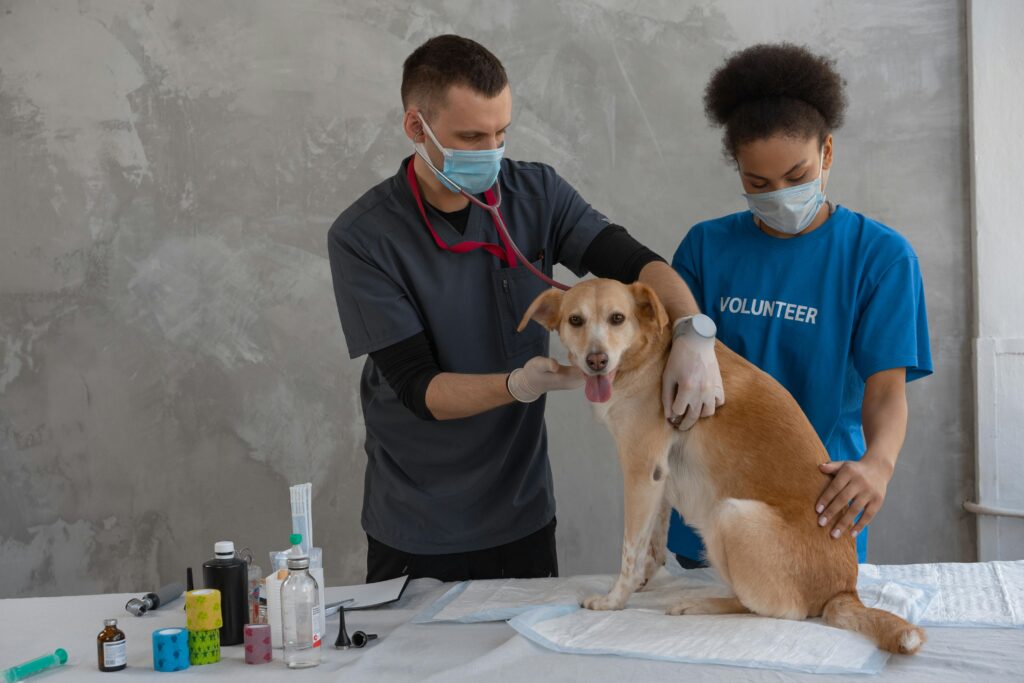



You likely view your pet as a member of the family, but the rising cost of their healthcare can be a shock to your monthly budget. While traditional pet insurance is designed for the what-ifs—like a sudden broken bone or a cancer diagnosis—it often leaves you footing the bill for the whens, such as annual exams, heartworm prevention, and dental cleanings. In 2026, the veterinary landscape has seen a 15% increase in routine service costs, making it harder for you to maintain the preventive care your pet deserves without a dedicated financial plan.
This guide provides a comprehensive breakdown of pet wellness insurance options to help you manage these predictable expenses. We will explore how these plans differ from standard accident-and-illness coverage, what the typical pet wellness insurance cost looks like across major U.S. providers, and which companies offer the most value for your specific breed. By the end of this article, you will have a clear strategy for choosing a plan that ensures your pet stays healthy and your bank account stays balanced.
Key Takeaways
- Predictable Budgeting: Wellness plans transform irregular, expensive vet visits into manageable monthly payments.
- Preventive Focus: Coverage typically includes vaccinations dental wellness pet plans and annual screenings that catch diseases early.
- Strategic Add-ons: Most preventive care pet insurance plans are sold as optional riders rather than standalone policies.
- State Variation: While largely nationwide, some state-specific regulations in California and New York affect how wellness benefits are reimbursed.
What is pet wellness insurance and how does it work?
Pet wellness insurance is a specialized type of coverage, often called a routine care rider, that reimburses you for the preventive medical expenses required to keep your pet healthy. Unlike the core insurance policy that covers unpredictable emergencies, wellness plans are designed for scheduled maintenance. When you take your dog or cat for their annual checkup, you pay the vet directly and then submit the receipt to your insurer for reimbursement based on a pre-set schedule of benefits.
The Mechanics of Reimbursement
In 2026, most pet wellness plans explained by major insurers follow a benefit schedule model rather than a percentage-based model. For example, your plan might state it will pay up to $50 for a wellness exam and up to $25 for a rabies vaccine. If your vet charges $60 for the exam, you will pay the $10 difference out of pocket. This structure allows you to know exactly how much financial support you have for each specific category of care before you even walk into the clinic.
Routine Care vs. Preventive Maintenance
Understanding routine care pet insurance requires distinguishing between wellness and illness. If your cat has a persistent cough, that is an illness visit covered by your base policy. If you take that same cat in for a flea and tick preventative application, that is a wellness visit. By separating these two, insurers can offer lower premiums on the base policy while giving you the flexibility to add preventive care pet insurance plans only if you feel the routine costs justify the extra monthly fee.
What is the average pet wellness insurance cost in 2026?
The pet wellness insurance cost you can expect to pay in 2026 typically ranges from $15 to $35 per month, depending on the tier of coverage you select. Because wellness plans cover predictable events, the pricing is not as sensitive to your pet’s age or breed as a standard accident policy might be. Instead, the price is driven by the total annual allowance the insurer provides for services like bloodwork, fecal tests, and grooming.
Tiered Pricing Structures
Most companies, such as Lemonade and Spot, offer at least two tiers of wellness coverage. A basic Essential tier might cover the bare minimums like two vaccines and one wellness exam. A Prime or Platinum tier will often include more expensive services such as vaccinations dental wellness pet plans and spay/neuter procedures. You should calculate the total annual cost of the premiums against the total potential reimbursement to ensure the plan offers a positive return on investment.
Factors Affecting Your Premium
While age is less of a factor, your geographic location can influence the pet wellness insurance cost. If you live in a high-cost-of-living area like San Francisco or New York City, your vet’s prices will be higher, but your insurance reimbursement limits are often fixed nationally. This means a wellness plan might be worth more to someone in a mid-market city where the benefit schedule covers 90% of the actual vet bill, compared to a major metro where it might only cover 60%.
| Provider | Monthly Cost (Avg) | Annual Max Benefit | Best For |
| Lemonade | $15 – $25 | $450 | Budget-conscious owners |
| Embrace | $18 – $32 | $650 | Flexible spending (Wellness Rewards) |
| Nationwide | $20 – $35 | $800 | Comprehensive avian/exotic care |
| Spot | $10 – $25 | $500 | Simple, flat-rate reimbursement |
Which companies offer the best pet wellness plans 2026?
To find the best pet wellness plans 2026 has to offer, you must look beyond the monthly premium and examine the specific caps on each service. The top-rated plans this year are those that provide a high allowance for dental cleanings and heartworm prevention, as these are the two most common out-of-pocket expenses for pet owners. Companies have refined their algorithms to offer more competitive wellness riders as they realize that pets with regular preventive care result in fewer expensive emergency claims later.
Embrace: The Wellness Rewards Model
Embrace consistently ranks at the top because of its unique Wellness Rewards system. Unlike other companies that limit you to $20 for a vaccine, Embrace gives you a total pot of money (e.g., $250, $450, or $650) that you can spend on any wellness service you choose. This flexibility is ideal if your pet has specific needs, such as professional grooming or therapeutic massage, which are often excluded from more rigid routine care pet insurance schedules.
Lemonade: Integration and Ease of Use
For those who prefer a digital-first experience, Lemonade offers a highly integrated wellness add on pet insurance that you can customize through their app. Their 2026 updates include a Puppy/Kitten specific bundle that covers the high costs of the first year of life, including microchipping and multiple rounds of boosters. Their transparency in showing you exactly what is covered before you buy makes them a leader in the wellness coverage comparison space.
Nationwide: The Legacy Choice
Nationwide remains a powerhouse for multi-pet households and exotic animals. Their wellness plans are often built directly into their Whole Pet policies, providing a more seamless experience for those who don’t want to manage multiple riders. They offer some of the highest reimbursement limits for vaccinations dental wellness pet plans, making them a favorite for owners of breeds prone to dental issues, such as Greyhounds or Chihuahuas.
How do vaccinations and dental wellness pet plans differ?
When evaluating vaccinations dental wellness pet plans, you need to be aware that dental care is frequently the most restricted category in the industry. While almost every wellness plan will cover a rabies or distemper shot, many basic wellness plans exclude dental cleanings entirely. This is a critical distinction because a professional dental cleaning under anesthesia can cost between $400 and $1,200 in 2026, depending on your state.
Coverage for Annual Vaccinations
Standard preventive care pet insurance plans will cover a suite of core vaccines. For dogs, this usually includes Rabies, DHPP (Distemper, Hepatitis, Parvovirus, and Parainfluenza), and Bordetella. For cats, it covers Rabies and FVRCP. Most plans in 2026 have increased their vaccine allowances to keep up with the rising cost of serums, usually providing between $20 and $40 per injection.
The Complexity of Dental Wellness
A true wellness add on pet insurance should ideally include an allowance for dental prophylaxis. However, you must read the fine print: does the plan cover the anesthesia and the cleaning, or just the dental exam? In 2026, the best plans offer a separate $100 to $200 annual bucket specifically for dental care. This is different from Dental Illness coverage, which pays for extractions due to disease—that is usually part of the base accident-and-illness policy.
What are the key differences: pet wellness vs accident illness insurance?
The debate of pet wellness vs accident illness insurance is central to how you should structure your pet’s protection. Accident and illness insurance is catastrophic coverage. It is there for when your dog swallows a sock or develops diabetes. Wellness coverage, on the other hand, is maintenance coverage. You should think of accident insurance as your homeowner’s policy and wellness insurance as a pre-paid maintenance contract for your HVAC system.
Risk vs. Reward
When you buy accident insurance, you are transferring the risk of a $10,000 surgery to the insurance company. When you buy a wellness plan, you are essentially pre-paying for your pet’s vet visits. There is very little risk transfer in wellness plans; rather, it is a budgeting tool. If the pet wellness insurance cost is $300 a year and it pays out $350 in benefits, you have won by $50. If you don’t use the services, the money is gone.
Waiting Periods and Deductibles
One of the best features of pet wellness insurance in 2026 is the lack of waiting periods. While an accident policy might have a 14-day waiting period for illnesses, wellness benefits usually kick in the day your policy starts. Furthermore, wellness riders almost never have a deductible. If the plan says it pays $50 for an exam, it pays from the very first dollar, making it a first-dollar benefit that provides immediate value.
| Feature | Accident & Illness | Wellness / Routine Care |
| Purpose | Emergencies, chronic disease | Annual exams, vaccines, prevention |
| Deductible | Usually $100 – $1,000 | Usually $0 |
| Waiting Period | 2 to 14 days | 0 to 24 hours |
| Payout Limit | Annual or Lifetime Max ($5k – Unlimited) | Per-item benefit schedule caps |
| Cost Basis | Age, breed, and location dependent | Fixed tier-based pricing |
How can you maximize your pet wellness benefits?
To get the most out of your pet wellness benefits, you need to be strategic about the timing of your vet visits. Many pet owners make the mistake of buying a plan mid-year and forgetting that wellness benefits are use it or lose it. If your policy year ends in December and you haven’t used your allowance for a fecal test or heartworm screening, you are essentially leaving money on the table that you’ve already paid for in premiums.
Bundling with Base Policies
In 2026, the most cost-effective way to get wellness coverage is by wellness add on pet insurance bundling. Insurers like Progressive and State Farm (through their partnership with Trupanion) often offer a small discount on the total premium if you add wellness to a base policy. This is usually cheaper than buying a standalone wellness plan from a third-party provider.
Utilizing Non-Traditional Benefits
Modern best pet wellness plans 2026 often include lifestyle benefits that weren’t common five years ago. This includes coverage for:
- Nutritional Supplements: If your vet prescribes joint supplements or omega-3s.
- Alternative Therapies: Reimbursement for acupuncture or chiropractic care as preventive maintenance.
- Behavioral Training: Some high-end wellness plans now provide a small allowance for professional training sessions to prevent behavioral issues.
Why are preventive care pet insurance plans essential in 2026?
The veterinary industry has shifted toward a preventive medicine model, and preventive care pet insurance plans are the financial engine behind that shift. By 2026, diagnostic tools have become significantly more advanced, allowing vets to detect early-stage kidney disease or cardiac issues through simple annual blood panels. However, these panels are expensive. A wellness plan incentivizes you to say yes to these tests because you know a portion of the cost is covered.
The Long-Term Savings Factor
While the pet wellness insurance cost might seem like an extra burden, it often leads to lower long-term costs. For example, a dental cleaning covered by a wellness plan today might prevent a $2,000 emergency dental surgery three years from now. Insurers recognize this, which is why companies like Figo and Pumpkin are increasingly transparent about their pet wellness plans explained in their marketing—they want you to use the preventive benefits because it keeps their overall claim payouts lower.
Improving Life Expectancy
Data from the NAIC and various veterinary associations suggests that pets with dedicated wellness coverage have a 20% higher rate of compliance with core vaccinations. This leads to a measurable decrease in preventable diseases like Parvovirus or Feline Leukemia. For you, the reader, this means more years with your pet and fewer heart-wrenching decisions at the emergency vet.
How do you perform a wellness coverage comparison?
When conducting a wellness coverage comparison, do not just look at the Total Payout. You must look at the Sub-limits. A plan might boast a $600 annual benefit, but if $300 of that is earmarked for spay/neuter and your pet is already fixed, that $300 is useless to you. In 2026, the most useful comparison involves mapping your pet’s specific annual needs against the benefit schedule of at least three providers.
Identifying Content Gaps in Other Reviews
Many Top 10 pet insurance lists fail to mention that wellness benefits are not insurance in the traditional sense; they are more akin to a discount club or a health savings account. When you do your wellness coverage comparison, ask yourself: If I put this premium money into a high-yield savings account instead, would I come out ahead? For most people, the answer is no because the insurance company’s negotiated rates and bonus coverages (like microchipping) provide a value that exceeds the premium cost.
Comparing Across State Lines
If you are moving between states, be aware that your routine care pet insurance might change slightly. While the wellness rider itself is usually a fixed contract, some states have different definitions of what constitutes preventive care. For example, some states require that wellness plans include a specific allowance for bi-annual exams for senior pets. Always use an interstate quote comparison tool to see if your move to a state like Texas or Florida will affect your plan’s reimbursement structure.
How to Compare Quotes Effectively
Navigating the best pet wellness plans 2026 requires a methodical approach to ensure you aren’t overpaying for fluff coverage.
Steps for a Smarter Comparison
- List Your Must-Haves: Does your pet need an annual dental cleaning? Does your vet require a specific expensive heartworm test? Write these down first.
- Check the Base Policy First: Remember that you usually cannot buy a wellness plan without the base accident-and-illness policy. Compare the total package price.
- Analyze the Benefit Schedule: Look at the per-item limits. If your vet charges $100 for an exam and the plan only pays $40, that is a poor fit.
- Use Insurine’s Tools: Leverage our interstate quote comparison tool to see how regional vet costs in your new state align with national wellness benefit schedules.
FAQs About Pet Wellness Insurance
1. Can I buy pet wellness insurance if my pet has a pre-existing condition?
Yes. One of the biggest advantages of pet wellness insurance is that pre-existing conditions do not disqualify you. Because wellness plans cover preventive care (like vaccines) rather than treatment for the condition itself, companies do not underwrite wellness riders the same way they do accident policies.
2. Does pet wellness insurance cover spaying or neutering?
Many high-tier preventive care pet insurance plans include a one-time allowance for spaying or neutering. In 2026, this benefit usually ranges from $150 to $300. However, most basic or standard wellness riders exclude this service to keep premiums lower.
3. Is grooming or flea/tick medication covered?
It depends on the plan. Flexible plans like those from Embrace allow you to use your rewards for grooming and medicated shampoos. More rigid plans from companies like Lemonade usually focus strictly on medical prevention (vaccines and tests) and exclude cosmetic grooming.
4. Can I use my wellness plan at any vet?
Almost always, yes. Most pet wellness insurance plans allow you to visit any licensed veterinarian in the U.S. or Canada. You pay the bill upfront and the insurer sends you a check or direct deposit based on the benefit schedule.
5. Are there age limits for wellness plans?
Unlike accident policies, which may have upper age limits for new enrollments, pet wellness insurance is generally available for pets of all ages. In fact, many insurers encourage wellness plans for senior pets to help manage the increased frequency of blood screenings.
6. Do wellness plans cover prescription food?
In 2026, some premium wellness add on pet insurance riders have started to include a small allowance ($25–$50) for prescription diets if they are used for weight management or kidney health, but this is still a relatively rare feature.
Conclusion
The evolution of pet wellness insurance in 2026 has made it an essential tool for the modern pet owner. By bridging the gap between basic survival and optimal health, these plans empower you to provide the best possible care for your companion without the stress of vet bill sticker shock. Whether you choose a flexible pot of money model or a structured benefit schedule, the key is to ensure the plan aligns with your pet’s life stage and your vet’s local pricing.
Trust, Compliance & Consumer Protection
This article is for educational purposes only and does not constitute financial, legal, or veterinary advice. Pet insurance policies are legal contracts between the owner and the insurer; always read the full Evidence of Coverage or Policy Declaration before purchasing. Pricing, benefit schedules, and availability vary significantly by insurer, state, and the specific breed/age of the pet. We recommend consulting with your veterinarian and a licensed insurance agent to determine the most appropriate coverage for your pet’s specific health needs.
Compare multiple quotes today to find the best pet wellness insurance rate for you.
Sources: