
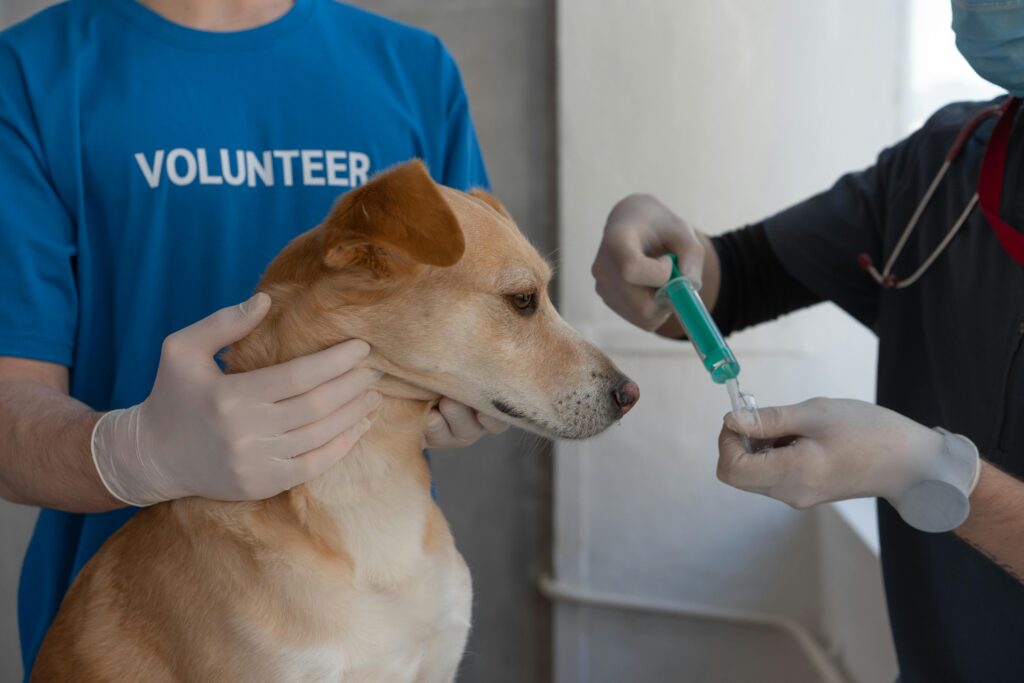



Navigating the world of pet healthcare in 2026 can feel like a balancing act between providing the best care for your furry friend and managing a household budget. One of the most common questions new pet parents ask is whether their insurance policy will pick up the tab for those essential first-year shots or annual boosters. While your base policy is designed for life’s “what-ifs,” preventive care—including vaccinations—operates under a different set of rules that every owner should understand before their next vet visit.
In this guide, we break down exactly how vaccination coverage works within the U.S. insurance market. You will learn the difference between standard accident-and-illness plans and the “wellness” riders that actually reimburse you for shots. Whether you are bringing home a new kitten or maintaining an adult dog’s health, this article will help you maximize your benefits and minimize your out-of-pocket expenses.
Key Takeaways
- Base Policy Exclusion: Standard accident-and-illness pet insurance almost never covers vaccinations as they are considered “predictable” preventive care.
- Wellness Add-ons are Key: To get reimbursed for vaccines, you typically must purchase a separate Wellness or Routine Care rider.
- 2026 Market Trends: Many top insurers now offer tiered wellness plans, allowing you to choose between “Basic” (core shots) and “Prime” (comprehensive preventive care) levels.
- Wait Times: Unlike accident coverage, wellness benefits for vaccinations often have $0$ waiting periods, meaning you can use them the same day you sign up.
Does pet insurance cover vaccinations in 2026?
The short answer is that pet insurance vaccinations are typically covered only if you have an optional wellness or routine care add-on. Standard pet insurance is built to protect you against the financial shock of unexpected events like a broken bone or a sudden infection. Because vaccinations are scheduled and expected, insurers treat them as a maintenance cost rather than an insurable risk.
The Role of Wellness Riders
In 2026, most major providers like Nationwide, ASPCA, and Spot offer wellness riders for an additional monthly fee (usually ranging from $10 to $30). These riders provide a fixed amount of reimbursement per year for specific preventive services. Instead of a deductible and a reimbursement percentage, these plans often use a “allowance” system. For example, your plan might allot $25 for a Rabies shot and $30 for a Bordetella vaccine.
Why Standard Policies Exclude Vaccines
Insurers exclude routine care from base plans to keep monthly premiums affordable. If every policy covered annual $200$ wellness visits, the base price for everyone would rise significantly. By making vaccination coverage pet insurance an optional add-on, providers allow you to decide if you’d rather “self-insure” for routine costs or pay a steady monthly fee for predictable reimbursement.
What is the difference between wellness coverage and pet insurance?
Understanding the distinction between wellness coverage pet insurance and a standard policy is vital for setting expectations at the vet’s office. Think of pet insurance as the “safety net” for catastrophes, while a wellness plan is a “pre-paid maintenance” account for your pet’s health.
Comprehensive Accident & Illness Plans
These plans cover the “scary” stuff. If your dog develops diabetes or your cat swallows a ribbon, this is the policy that pays out. These plans involve:
- Deductibles: An amount you pay out-of-pocket before insurance kicks in.
- Reimbursement Percentages: Usually 70%, 80%, or 90% of the bill.
- Exclusions: Almost always excludes “preventive” items like vaccines, flea/tick meds, and heartworm prevention.
Pet Wellness Plans Explained
Pet wellness plans explained simply are a bucket of money for routine care. They don’t typically have deductibles. If the plan says it covers $20 for a vaccine, and the vet charges $20, the insurance company sends you $20 back.
| Feature | Accident & Illness Insurance | Wellness/Routine Care Add-on |
| Primary Goal | Unexpected emergencies | Planned preventive care |
| Covers Vaccines? | No | Yes |
| Waiting Period | 2–14 days typical | Often 0 days |
| Deductible | Yes ($100–$1,000) | No |
How does vaccination reimbursement work for puppies and kittens?
The first year of a pet’s life is the most expensive in terms of preventive care. Puppy vaccinations insurance and kitten vaccinations insurance are highly sought after because young pets require a series of “booster” shots every 3–4 weeks until they are about 16 weeks old.
Managing the “Puppy Series”
For a new puppy, you aren’t just looking at one shot; you are looking at a series for Distemper, Parvovirus, and Adenovirus (DHPP), plus Rabies and often Bordetella. A high-tier wellness plan can save you significant money here. Some 2026 plans, like those from Pumpkin, offer a “Preventive Essentials” pack that specifically caters to the high volume of first-year needs, sometimes offering 100% reimbursement for a set number of shots.
Essential Kitten Shots
Similarly, kittens need the FVRCP (Feline Viral Rhinotracheitis, Calicivirus, and Panleukopenia) series and Rabies. If you plan to let your cat outdoors, Feline Leukemia (FeLV) is also a core requirement. Most routine care pet insurance riders include specific line items for these feline-specific needs.
Which specific vaccines are typically covered by wellness plans?
When you look at your policy’s “Summary of Benefits,” you will see a list of preventive care pet insurance items. Most plans categorize vaccines into “core” and “non-core.” Core vaccines are considered vital for all pets, while non-core vaccines are recommended based on lifestyle.
Core Dog Vaccines Covered
- Rabies: Required by law in almost every state.
- DHPP: Covers Distemper, Hepatitis, Parainfluenza, and Parvovirus.
Core Cat Vaccines Covered
- Rabies: Essential for all cats.
- FVRCP: The “distemper” equivalent for felines.
Non-Core Lifestyle Vaccines
Many wellness plans in 2026 also reimburse for lifestyle-specific shots. If you frequent dog parks or boarding facilities, vaccination reimbursement pet insurance for Bordetella (Kennel Cough) and Canine Influenza is a major plus. For pets in high-tick areas, Lyme disease vaccinations are often included in “Plus” or “Platinum” level riders.
What are the costs and limits of vaccination coverage in 2026?
Pricing for preventive care pet insurance varies by company and the level of coverage you choose. In 2026, we see three primary pricing models in the U.S. market.
Flat-Rate Add-ons
Companies like ASPCA or Pets Best often offer a flat monthly fee (e.g., $16/month) that gives you a total “pool” of money for the year.
- EssentialWellness: Up to $305 in total annual benefits.
- BestWellness: Up to $535 in total annual benefits.
Tiered Benefit Schedules
Some insurers use a strict schedule. If you get a Rabies shot, they pay exactly $20. If your vet charges $35, you pay the $15 difference. This is common with Nationwide and Spot.
2026 Provider Comparison: Annual Wellness Limits
| Provider | Wellness Plan Name | Estimated Annual Limit | Key Vaccination Perk |
| Embrace | Wellness Rewards | $250, $500, or $750 | Flexible “use it for anything” fund |
| Lemonade | Preventative+ | ~$450 | Covers up to 3 vaccines per year |
| MetLife | Preventive 365 | $400 – $800 | No waiting period for routine care |
| Pumpkin | Preventive Essentials | Varies | 100% refund for core vaccines |
Are any vaccines excluded from pet insurance?
While wellness plans are broad, they aren’t “blank checks.” There are certain vaccines excluded from pet insurance depending on the fine print of your policy.
Experimental or Non-Standard Vaccines
Insurers generally only reimburse for vaccines approved by the USDA and widely accepted by the American Veterinary Medical Association (AVMA). Experimental treatments or ultra-niche vaccines (like a specific rattlesnake vaccine in some regions) might not be on the approved list for lower-tier plans.
Titers vs. Vaccines
Some owners prefer titer testing—a blood test that checks for existing immunity—instead of re-vaccinating. In 2026, many high-end wellness plans now explicitly include “vaccination or titer” in their coverage language. However, basic plans may still exclude the cost of the blood test, covering only the shot itself.
How to Compare Quotes Effectively for Pet Wellness?
When you are looking for vaccination coverage pet insurance, don’t just look at the monthly premium. You need to do a “Value Calculation.”
The Value Calculation Formula
- Total up your expected annual routine costs (Exam + Rabies + DHPP + Flea/Tick + Heartworm).
- Compare that total to the annual cost of the wellness rider (Monthly fee x 12).
- If the reimbursement limit is higher than the cost of the rider, the plan is mathematically profitable for you.
Using Insurine’s Comparison Tools
Our interstate quote comparison tool allows you to toggle “Wellness Add-on” to see how it affects your rate across different states. Because vet costs are higher in New York than in Ohio, some insurers adjust their wellness payouts or premiums by ZIP code.
FAQs About Pet Insurance and Vaccinations
1. Can I get a wellness plan without buying full pet insurance?
Most major insurers (like Embrace or Nationwide) require you to have an active accident and illness policy to add a wellness rider. However, some providers like Pumpkin and certain veterinary networks (like Banfield) offer standalone wellness plans that focus exclusively on routine care.
2. Is there a waiting period for vaccination coverage?
For the vast majority of wellness plans in 2026, there is no waiting period. While an accident policy might have a 14-day wait for illnesses, you can typically use your wellness benefits the same day your policy goes into effect.
3. Does pet insurance cover the office visit fee for vaccinations?
Only if your plan includes “Exam Fee” coverage. Some wellness plans cover the shot but not the “exam fee” the vet charges to see the pet. Always check if your rider includes “Wellness Exam” coverage to avoid this common $50–$100 surprise.
4. Will insurance cover vaccines for a pet with pre-existing conditions?
Yes! Wellness and vaccination coverage are generally not affected by pre-existing conditions. Even if your pet has chronic allergies or a heart murmur, you can still purchase a wellness rider to help pay for their routine shots.
Consumer Protection & Compliance
This guide is provided for educational purposes only and does not constitute veterinary, legal, or financial advice. Pricing and eligibility for pet insurance vary significantly based on your pet’s age, breed, and your geographic location. We recommend reviewing the specific “Terms and Conditions” of any policy and consulting with a licensed insurance agent before enrollment.
Conclusion
While standard pet insurance vaccinations coverage is rare, the availability of robust wellness riders in 2026 makes it easier than ever to budget for your pet’s health. By choosing the right add-on, you can turn large, sporadic vet bills into small, manageable monthly payments. Protecting your pet from preventable diseases is the best way to ensure a long, happy life together.
Compare multiple quotes today to find the best pet insurance rate for you.
Sources: